
Why Superior Paving's Fastest Vendor Responds in Just 10 Minutes

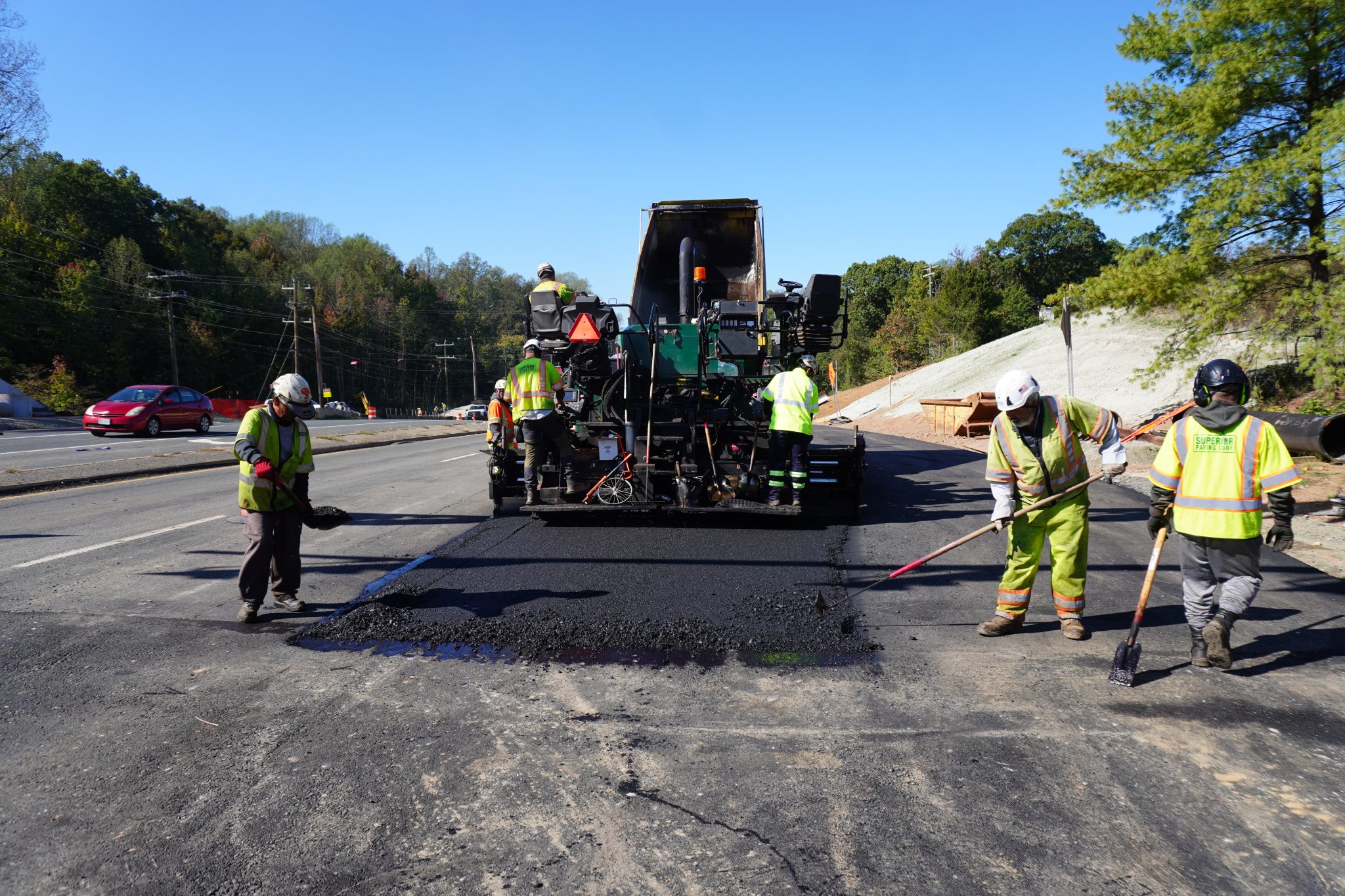
In the last 90 days, Superior Paving, an asphalt and paving company with 14 plants, procured $583,760 of parts through Gearflow. And the average quote time for each one?
22 minutes.
Here’s how.
Centralizing Communication
Prior to using Gearflow communication was split across channels. Every parts request required coordinating cross calls, texts and emails. There was no single place to see the status of requests, outstanding quotes or who needed a follow-up. So when someone was away from their desk or out of the office, requests stalled and visibility disappeared.
On Gearflow it's all in one place.
With the messaging feature, the vendor communications are tied to a parts request. So when they have a part number discrepancy they know who is accountable, who owns the return and restock charges. It can be fixed on the spot by one of the team. But that isn’t the biggest benefit. It’s how it helps to surface their best vendors and highlight those that need to improve.
Holding Vendors Accountable
Superior Paving's best vendor has sent them 130+ quotes in the last 10 days, with an average quote time of 10 minutes. Prior to Gearflow, they didn’t know where their 49 vendors were ranked and now it’s led to some frank conversations:
“I was very transparent with him…hey you’re not the only person seeing this request, if I have to wait on your too long I’m going to accept someone else because picking up the phone, calling you and doing the runaround waiting for a quote is less time efficient.”
As Jacob Guinard, Shop Coordinator realised, his time is valuable. For every minute he spends chasing down a part there’s a million other problems he could be working on. Internally the company charges an amount per hour for his role and time savings are important. So told the slow vendors:
“there's plenty of stuff I can do to save this company money”. Chasing a vendor for a quote when three others have already responded isn't one of them.
Shorter Downtimes
In the first 60 days of using Gearflow, the team at Superior noticed an unexpected metric. Their parts were coming to the shop or asset 16 hours faster. And then Order Fulfillment, the time taken from a quote being created to the PO being received, improved by 6.4 hours in the last 30 days. As teams became more familiar with Gearflow and built processes around it, they’re able to collaborate more effectively.
One member can mark a part as received in Gearflow and then another can help out with the Accounts Payable Admin. This handballing means people don’t have to stay late to fill out paperwork once it quietens down. Instead, they lean on each other meaning they all go home on time.
But there is one bigger benefit that the team just can’t wait for.
Why order when it’s already in stock?
Gearflow is building an integration with Clue. It means that the shop’s existing inventory can be seen in real time. When the team makes a parts request, the system automatically pulls the inventory and shows stock levels before sending to Vendors. This saves them money but also reduces asset downtime allowing immediate fixes.
They no longer need to hunt through the warehouse and check what’s there.
And the real benefit is they can monitor inventory levels.
As more popular parts hit a threshold, they can request refills from vendors, ordering in bulk and having more purchasing power. Which led to another insight for the team.
More Data means more visibility and insights
Jacob told the team:
"Let's use Gearflow to its full abilities…all this information is going to be valuable for us.”
With the data the team can now see their most popular parts, what they order during the annual maintenance period. This allows pre-planning and with four executives at Superior Paving sitting in the Inventory team, efficiency and savings are constantly top of mind. Every inventory meeting, they show the Gearflow Dashboard on parts spend with 30/90 day views to identify high cost units, discuss urgency patterns and trigger root cause reviews.
It’s all data that existed before but they never systematically captured.


.png)